
The Tokyo 2020 Olympics is finally here whether you believe it or not. And while we are all glued to the screen, admiring the incredible physical feats of Olympians, let’s not forget what’s behind all this. To achieve such peak performance, most pro athletes go through years of rigorous training which includes countless hours of exercising and a strict diet.
But what do Olympians eat and how do they support their training with the correct diet? We asked Arj Thiruchelvam, founder of Performance Physique, about the topic. Arj has worked as a UK Athletics Sprint and Jumps Coach, as well as with Mac-Nutrition and Holland & Barrett. Below he shares his insight into how world class athletes fuel their performance:
“A few simple principles can help us all live healthier lives but, when 0.2 seconds makes all the difference between first and last place, the science behind athlete nutrition is understandably more complex”, Arj says, “No two events will have the same physiological demand on an athlete, but there are some similarities that need to be balanced.”
What does it take to shave off a fraction of a second from your PB? How do you balance macronutrients and what micronutrients do elite athletes require to achieve peak performance? What’s an example of diet day in the life of an Olympian? Answer to these questions and more can be found below, in the words of Arj himself.
Carbohydrates
“Anything which requires intense levels of performance, or exercising at moderate intensity for some time, will require carbohydrates to fuel the bout of exercise”, Arj explains, “The amounts vary substantially per sport; 3-5g per kg of bodyweight for skill-based sport, 6-10g for endurance and 8-12g per kg bodyweight for ultra-endurance and very intense events like the Tour de France or marathons.”
And since athletes workout a lot, they tend do require loads of carbs to fuel their intense exercising regime. So as well as as eating all the plain rice, potato or pasta, they can also gorge down on naughtier treats too. Ice cream, anyone?

(Image credit: Getty Images)
Fats
Dietary fats have a bad rep and people tend to steer clear away from consuming much but fats are not only healthy when consumed in moderation but also essential to our overall health. “Many of us are scared to consume fats, but they are vital to support the sex steroid hormones (oestrogen, progesterone and testosterone) to function by repairing and growing our muscles and boosting our mood, enabling us to perform at the highest level”, Arj adds.
He goes on by saying “Athletes generally aim for 25-30% of their daily calories to come from fat. The only bad fat is from Hydrogenated Fats (where liquid unsaturated fat is turned into solid fat by adding hydrogen), but a range of food sources from both unsaturated and saturated fats is important.”
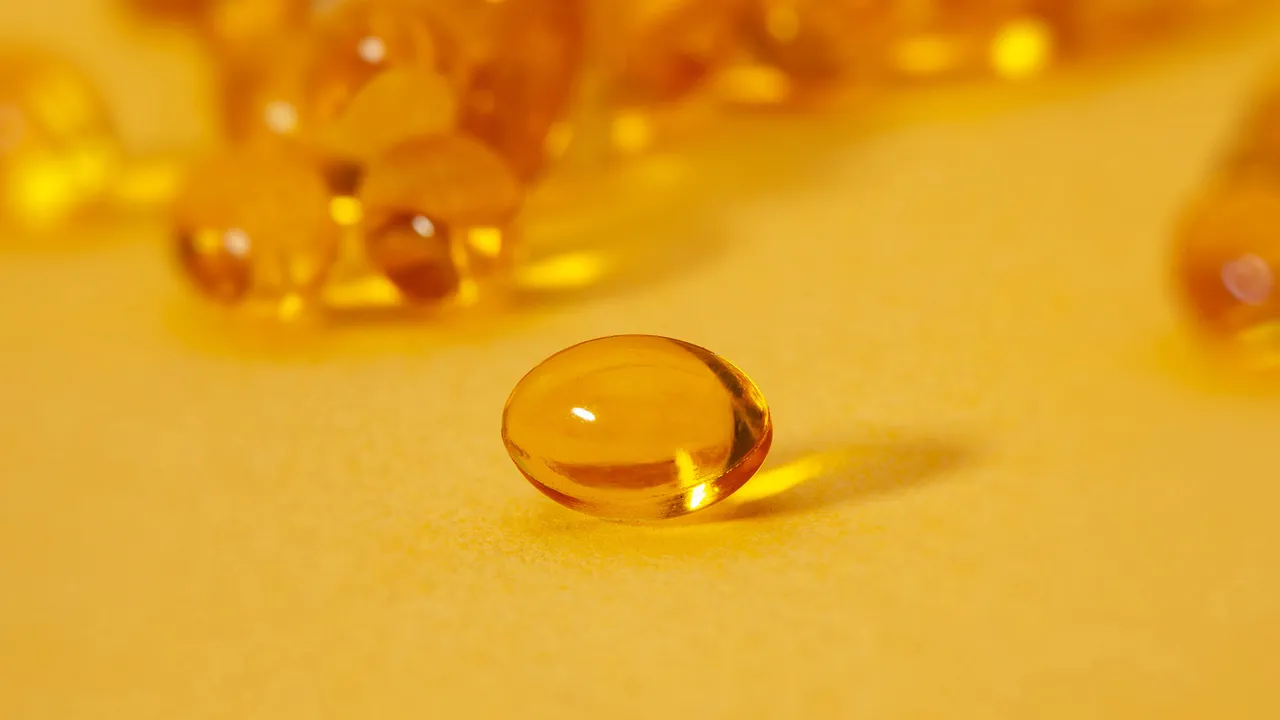
His recommendations? “Eat avocado, almonds and olive oil for monounsaturated fats that will support cardiovascular health and cholesterol, plus steak and coconut are good sources of saturated fat. One of the most common fats that athletes consume is in the form of a fish oil supplement as this appears to have an unparalleled impact on health and performance for those who don’t eat enough oily fish.”
Protein
We can’t emphasise the importance of protein in an athlete’s diet quite enough. Protein is needed for building muscle but also for recovery. It can also aid weight loss! Of course, Olympians don’t often have to worry about weight gain, especially since they train as much as 5-10 times per week. To maximise recovery and to help their muscles grow, they must find a way to increase their protein intake, significantly.
“An Olympians daily requirement is 1.6-2.5g of protein per kg of bodyweight. The foods they consume will vary but those higher in ‘leucine’ (dairy, poultry and whey) will be advantageous for a performance athlete, however there are alternatives for vegans”, Arj says.
(Image credit: Michele Blackwell on Unsplash)
Micronutrients
Having adequate amounts of micronutrients in our daily diet is something we all struggle with, let alone Olympic athletes. As Arj explains, “Micronutrients should be viewed as the key to the door (macronutrients are the door), in that these vitamins allow you to make the most of your carbohydrates, fats and protein.”
“Multi-vitamins aren’t usually necessary, unless you’re in a calorie deficit, you’re an athlete training intensely or you just don’t consume many vegetables”, he says, “In these cases it’s important to understand that the RDA (Recommended Daily Allowance) isn’t necessarily the ideal amount to have, it’s enough to avoid deficiency in most people. A better figure to look for is RNI (Reference Nutrition Intake), which is relevant to 97.5% of healthy individuals.”
Arj even has some location-specific recommendations: “With the Olympics taking place in Japan, edible seaweeds such as Wakame and Nori are native options to boost micronutrient intake. Edible seaweeds need a lot more human intervention studies to see how they really compare but there is clear evidence to show they provide dietary fibre, anti-oxidant properties, iron and magnesium, alongside a small contribution of fat and water-soluble vitamins.”
Be careful, though, before you start chowing down on seaweed: “There are concerns with the Iodine, heavy metal and arsenic content of seaweed and this needs to be investigated further before drastically increasing consumption levels.”
The Balancing Act
How does this all come together? It’s okay to know how many grams of protein and what sort of micronutrients you should be ingesting a day but everyone’s needs are different, especially pro athletes’. A skateboarder will follow a different diet than a decathlete.
“The balancing act is managing the large amounts of food needed by athletes, without consuming more calories than they are expending, to ensure their bodyweight remains consistent”, Arj dives in, “Some athletes are very disciplined while others will still enjoy a takeaway, because there are ways to be flexible and also achieve performance goals.”
He goes on: “Some hate fruit and vegetables and some are incredibly disciplined but at times they too will stray from their set diet, because we are all human. Everyone seems to know that Usain Bolt enjoyed eating Chicken Nuggets before big races! This is about consuming something you’re familiar with and know won’t cause your stomach discomfort. It was a smart choice in Beijing in 2008 because it increased his confidence in a place where he may not have consumed many of the foods native to China.”

(Image credit: Getty Images)
A diet day in the life of an Olympian
Arj worked with a number of athletes and was kind enough to share the exact diet of a pro who needed to consume industrial amounts of food to fuel their training. “I worked with a 6’5” male water polo player at London 2012 who was struggling to maintain his 105 kg weight in the pre-competition training camp”, Arj elaborates, “Up to 6 hours of intense training in the pool and gym everyday left him needing to consume 7-8,000 calories per day, just to stay the same weight. That’s about the same as eating 8 portions of fish and chips in a day, every day!”
His typical day looked like this:
Wake up: Protein shake and fruit smoothie (350 kcal)
Post Training Breakfast: Porridge oats, whole milk, peanut butter and orange juice (1100 kcal)
Mid-Morning Snack: Banana, toast and protein shake (750 kcal)
Lunch: 5 egg cheese and spinach omelette, side salad and chocolate bar (950 kcal)
Pre- Gym: 4 waffles, golden syrup, protein bar and orange juice (1100 kcal)
Post-Gym: protein shake and Haribo (500 kcal)
Afternoon Snack: White bread, butter and jam (350 kcal)
Evening Meal: Roast chicken dinner and chocolate bar (1200 kcal)
Pre-Training: Soreen Loaf and Jaffa Cakes (500 kcal)
Post-Training: Protein shake & porridge with syrup (500 kcal)
Interestingly, he absolutely hated having to eat so much food and after the Olympics, immediately reduced his intake and within 8 weeks dropped 12 kg to 93kg!
How about race day nutrition?
“Some events don’t require immediate fuelling before a race”, Arj says, “Athletes may enjoy a little caffeine to boost alertness and allow them to push harder but in other events, such as the prestigious marathon, nutrition timing is vital!”
He also debunks some common fuelling myths: “No longer do we need to carbohydrate load for days on end, instead the day before the marathon will be a very high carbohydrate day, 10g for every kilo they weigh. Then, 2-4 hours before the marathon, athletes will consume a breakfast of simple carbohydrates, low in fat and fibre to ensure it’s quickly absorbed. Typically this will be white bread and jam, a small amount of cereal and orange juice to top up the carbohydrate stores. As the race approaches, 500ml of a carbohydrate drink will be consumed gradually.”
“Once the marathon begins, the fuelling strategy becomes very individualised but athletes will aim to consume 60-90g/carbohydrate in the form of gels and drinks and at least 200mg of caffeine (equivalent to two shots of espresso). This means there is a continuous flow of glucose to the muscles that will prevent ‘hitting the wall’ from ever occurring. After the race, it’s important to rehydrate with electrolytes, refuel with carbohydrates and take on protein to repair the muscle tissue.”
Do Olympic athletes take supplements?
“Elite athletes have to be very careful about consuming supplements as some can lead to positives doping tests, with an estimated 10% of supplements being contaminated (Russell, C., Hall, D. & Brown, P., 2013)”, Arj warns, “Although the effectiveness of most supplements on the market is negligible to none, there are a handful of supplements that some of this year’s Olympians may be consuming to enhance performance.”
Creatine
“In the past power and speed based athletes have been using creatine but interestingly, a lot more endurance athletes have begun using the supplement. It allows the body to store more glycogen, a vital source of energy for long distance events that require carbohydrate loading”, he says.
Beta Alanine
Arj says “There’s a very good chance our track cyclists, swimmers and athletes competing in intense events that are 1-4 minutes in duration are using Beta Alanine. It buffers lactic acid, pushing their performance even further.”
Beetroot juice
“A few years ago these small ‘shots’ of beetroot juice stormed onto the market with proposed benefits of improving recovery and reducing the oxygen cost of energy, essentially making athletes more efficient and able to work at a more intense level”, Arj says, “However, recent years have shown that consuming beetroot juice consistently throughout the year may actually reduce training effectiveness. Instead, it’s more likely to be consumed during busy phases of competition…like the Olympics, when you have numerous races in a short period of time.”


