
Jasmin Merdan/Getty Images

The US Food and Drug Administration authorized all three COVID-19 vaccines available in the US to be used as a heterologous booster dose, or “mix and match” shot, clearing the way for every person eligible for a booster to get whatever vaccine is available or recommended for them.
The FDA announced its authorization in the same news release Wednesday for all Johnson & Johnson recipients 18 and older, and some Moderna recipients who are at risk of severe COVID-19, including all people age 65 and older, adults at high risk of severe COVID-19 because of a medical condition and adults with frequent “institutional or occupational” exposure to COVID-19.
When a person will be eligible for a mixed booster depends on the vaccine they initially received, however. For example, a Johnson & Johnson recipient could get Pfizer or Moderna as a booster at least two months after their single dose, because that’s when boosters are authorized for Johnson & Johnson recipients. A person who received Moderna or Pfizer for their first two shots could get any vaccine at least six months after their second shot, the FDA says, because that’s when boosters are recommended for mRNA vaccine recipients.
Before mixed booster shots start going into arms across America, an advisory committee to the US Centers for Disease Control and Prevention will meet Thursday to discuss how to roll out or recommend boosters for Johnson & Johnson and Moderna recipients, as well as address the mix-and-match approach. These recommendations may include guiding certain people to stick to their initial vaccine series if possible, or advising other groups to boost with a different brand. The CDC will then need to officially accept the committee’s guidance.
The so-called mix-and-match approach to vaccinating against the coronavirus has been lobbied for by some scientists and public health experts, and it’s already being done in countries outside of the US. It’s also important to note that the current FDA authorization on mixing vaccines applies only to booster shots, not to the initial two-dose series.
As mixing COVID-19 shots becomes a reality in the US, here’s what we know about a mixed vaccine series.
Why is mixing COVID vaccine brands such a big deal?
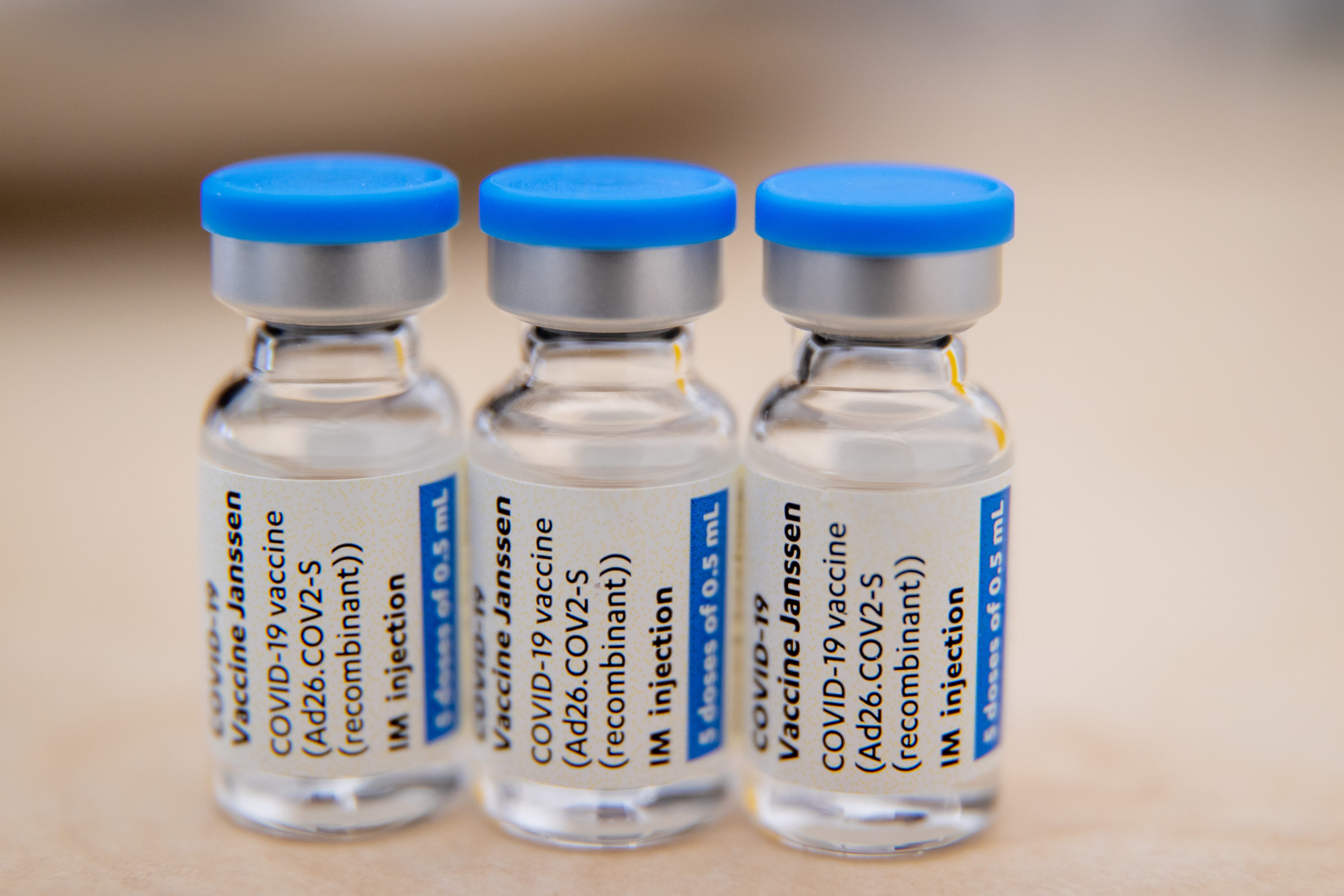
While all three vaccines have the same effect, the way they function is a little different. Pfizer and Moderna are mRNA vaccines, which teach our cells to make a specific protein and build immunity against a virus. Johnson & Johnson is a viral vector vaccine, which uses a harmless virus to activate an immune response and tell our bodies what to fight in future infections. Both vaccine types prepare our immune systems for COVID-19 infection, and none of the coronavirus vaccines infects us with the actual coronavirus.
I qualify for a booster. Do I have to get the same vaccine?
According to the latest FDA authorization, no. As long as you waited the appropriate time between finishing your initial vaccine series (two months for those who first got Johnson & Johnson, six months for those who first received Moderna or Pfizer) providers can administer any of the three vaccines to eligible adults.
When the CDC advisory committee meets Thursday, it’s possible they’ll make specific recommendations for people seeking boosters.
Picture Alliance/Getty Images
Is it safe to mix and match?
When the FDA authorized all three COVID-19 vaccines to be mixed as boosters, it said, “The FDA has determined that the known and potential benefits of the use of a single heterologous booster dose outweigh the known and potential risks of their use in eligible populations.” Basically, the agency doesn’t want to stall people and potentially delay needed protection, should their initial vaccine not be available to them.
At the FDA advisory committee meeting that preceded the agency’s authorization, some members pointed out that while official data on mixing COVID-19 vaccines is still sparse, it’s being done, and there’s a need for scientists to give the public some guidance. Preliminary data from the US also suggests that mixing a viral vector vaccine (Johnson & Johnson) with an mRNA vaccine produces a stronger antibody response than receiving a second dose of Johnson & Johnson, with Moderna as a booster especially.
Information from outside the US is also promising, and other countries have been officially allowing people to receive two different vaccines, including Germany, Canada, Sweden, France, Spain and Italy, per The New York Times. (In some cases, mixing vaccine types comes down to what’s available.) In a study published in the journal Nature, researchers in Spain found that people who received one dose of AstraZeneca (a similar vaccine to Johnson & Johnson) and then received a dose of Pfizer seem to produce a higher antibody response than people who receive two doses of AstraZeneca. It isn’t clear whether this group had a higher immune response than people who received two doses of Pfizer.
Going forward, the authorized mix-and-match approach may prompt US public health officials to make certain vaccine recommendations for specific groups. In the United Kingdom, for example, the National Health Service says that for people under age 40 who don’t have a health condition, it’s “preferable for you to have the Pfizer/BioNTech or Moderna vaccine instead of Oxford/AstraZeneca” because of AstraZeneca’s link to a very rare but serious blood-clotting disorder in younger people. Germany issued a similar recommendation about mixing AstraZeneca with an mRNA vaccine.
Johnson & Johnson’s shot in the US has also been linked to the same rare-but-serious blood-clotting disorder, and the CDC says, “Women younger than 50 years old especially should be aware of the rare but increased risk of this adverse event, and they should know about other available COVID-19 vaccine options for which this risk has not been seen.”
With the mixed series authorized, people in the US who originally received Johnson & Johnson but are at higher risk for the rare side effect would be able to opt for an mRNA vaccine.
But isn’t mixing vaccines already being done in the US?
In San Francisco, some Johnson & Johnson recipients have gone ahead and received an mRNA shot after the city made an “accommodation” for those asking for one, though it hasn’t changed health policy in San Francisco.
The vaccine for Ebola, made by Johnson & Johnson, uses a mixed-dose approach. According to the EU Research and Innovation Magazine, the two-part vaccine is made up of two slightly different technologies and was developed this way because of the immune response it could produce.
In the US, 68.6% of adults are fully vaccinated, according to CDC data, making the US booster rollout plan controversial in general. Some officials with the World Health Organization have called on countries including the US to stop giving boosters to vaccinated people, when as few as 2.8% of people in lower-income countries have received a coronavirus vaccine shot at all, per Our World in Data.
The information contained in this article is for educational and informational purposes only and is not intended as health or medical advice. Always consult a physician or other qualified health provider regarding any questions you may have about a medical condition or health objectives.