
BUFFALO, N.Y. (WKBW) — A dramatic age gap when it comes to the use of antidepressants in women.
The Wall Street Journal is reporting disturbing statistics from the Centers for Disease Control and Prevention (CDC).
The report shows 1 in 10 women between the ages of 18 to 39 use antidepressants. The number goes to 1 in 5 in the 40 to 59 age group and 1 in 4 in women over the age of 60.
At the age of 18, Holly Rounseville was diagnosed with anxiety and depression.
The-now 40-year-old shared that having a support system has been the reason she has been able to get through life’s rough patches.

Holly Q. Rounseville said, “I decided early on that it wasn’t something that I was going to keep taboo. I was going to be open about and more importantly, try and help other people, because this isn’t something to try to help someone go through alone or to feel like they have to hide.”
Rounseville said a great place to start is with a general practitioner. The mental health advocate encourages honesty about one’s current feeling.
Rounseville said, “There are verbal screenings that can be done for depression, but another really important thing is to request to have blood panels done because things like vitamin D, which is a huge issue in Buffalo, thyroid issues, iron deficiency. These can all play a surprisingly huge part in depression and overall health.”
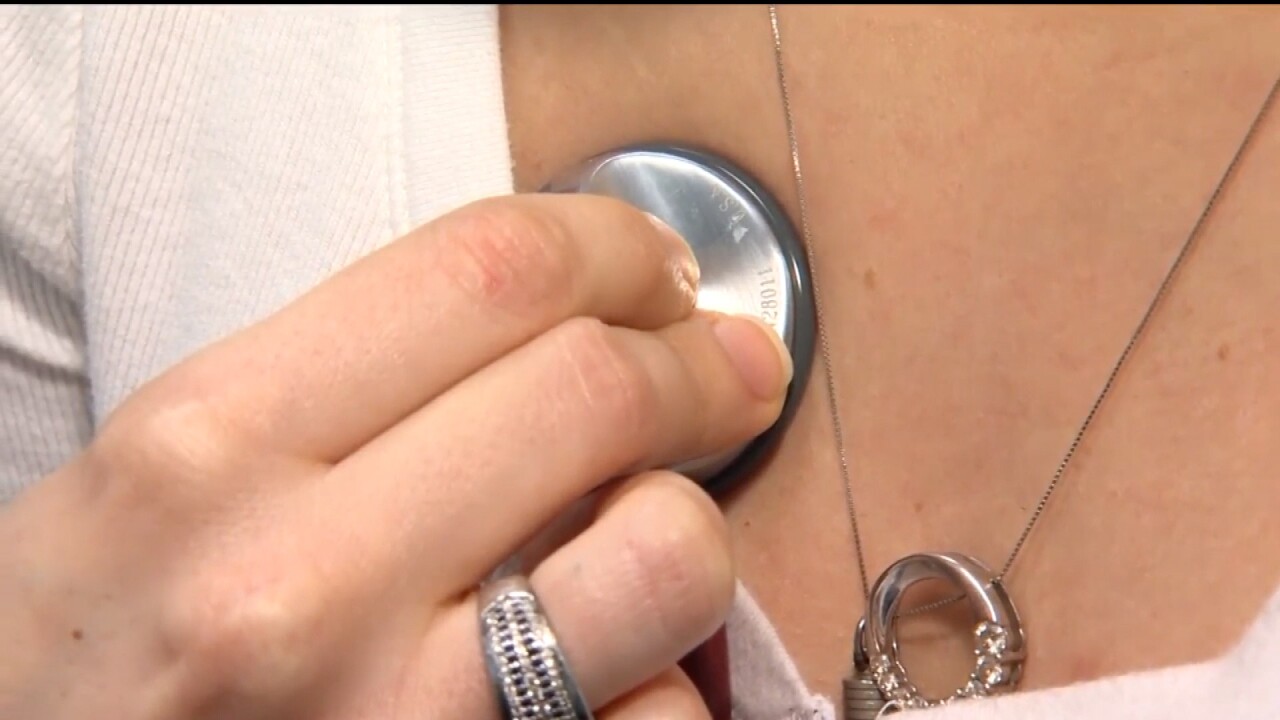
Licensed mental health counselor LaToya Seals said, “Addressing mental health is extremely important, especially in today’s society, because there have been a lot of factors that have been impacting the world, society, there’s a lot of different attitudes that have changed.”
There are six common depression types, according to Harvard Health Publishing Harvard Medical School.
Clinical or major depression is the most common.
The other five are:
- Persistent depressive disorder
- Bipolar disorder
- Bipolar II disorder
- Postpartum depression
- Seasonal affective disorder (SAD)
Depression can also lead to risk factors for heart disease and dementia. Symptoms can occur in adults for many reasons.
“Body, image issues or how they feel women should look or how they feel women should act and behave. This all kind of ties and plays out into our emotional well-being, our physical well-being, and our psychological well-being,” Seals said. “Relationship stressors, family conflicts and/or stressors. Most individuals who are 40 and older have either experienced a divorce or have experienced a long term breakup of some sort.”
Other factors include grief and/or loss, becoming an empty nester, becoming a caretaker for a parent and financial worries.
Seals said, “We have to recognize and understand what the impact of these stressors are going to us because if we don’t know, how can we address it?”
Medication alone is not something to depend on, Seals suggested. She said it is important to couple medication with therapy.

“That’s the best combination in combating any kind of mental health condition, but what research has shown, alongside with therapy in general, the person has a more successful outcome in terms of receiving the best quality of life they can for themselves,” Seals said.
Rounseville said, “You don’t have to do this alone. You won’t feel this way forever and there is help.”
There are a lot of resources available here, in Western New York.
ECMC has virtual help center visits for adults with urgent mental health needs.
Evergreen Health Services specializes in mental health services, in LGBTQ communities.
A popular way to search for therapists is through Psychology Today.