
Carvalho said during a news conference that the district has been “deeply impacted” by the recent drug incidents, which he attributed to “an unacceptable level of availability of narcotics and opioids in our community.”
“We have an urgent crisis on our hands,” the superintendent said a separate statement. “Research shows that the availability of naloxone along with overdose education is effective at decreasing overdoses and death–and will save lives. We will do everything in our power to ensure that not another student in our community is a victim to the growing opioid epidemic.”
Naloxone can be administered as an injection or nasal spray and is not harmful if given to somebody who is not experiencing an opioid overdose, the CDC says.

The district currently has enough doses to supply its high schools, a process which will be done over the next two weeks, it said in the release. As more doses are received, they will be distributed to other campuses, the district said.
District police officers will also carry doses of the treatment, Carvalho said.
In an effort to prevent overdoses before they happen, Carvalho said the district’s initiative also includes peer-to-peer awareness raising and education programs for parents.
District staff such as nurses, wellness center providers and trained volunteers are already trained or will be trained to administer the treatment, and the district will work on developing training and education for the school community, it said.
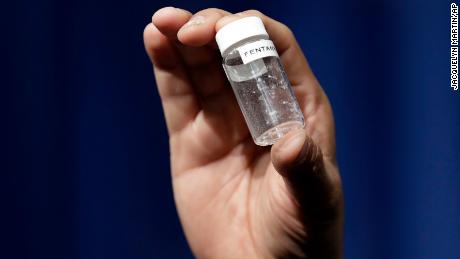
With drug use among teens at a historic low, the soaring overdose deaths are likely not the result of more adolescents using drugs, but of the increasing risks the drugs themselves, one of the study’s authors said.
“This is not coming from more teens using drugs. It’s actually coming from drug use becoming more dangerous,” said study author Joseph Friedman, a researcher studying medicine and medical informatics at the University of California, Los Angeles.
CNN’s Cheri Mossburg contributed to this report.