
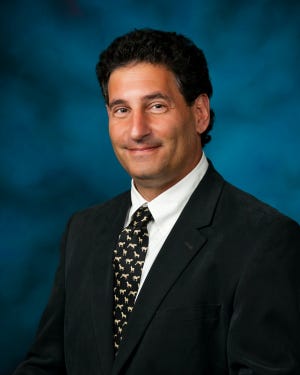
Dr. Jeff Hersh
Q: What is the role of a respiratory therapist in a hospital?
A: To address this question, I reached out to a respiratory care practitioner (RCP) colleague of mine, David Kissin. Dave and I have served together on the MA-1 DMAT (Disaster Medical Assist Team) for many years, and he has (and continues to be) an invaluable source of knowledge and expertise for us.
There are more than 130,000 RCPs in the U.S., and they provide a critical skill set to support patient care. They are found everywhere — at the hospital bedside, operating room, emergency department, helicopter and fixed-wing transports, the pulmonary function lab, research lab, sleep lab, clinics, the doctor’s office and even patients’ homes. RCPs have worked hard at diversifying to change their image and should no longer be called oxygen technicians, inhalation technologists, inhalation therapists or respiratory technicians (RTs).
Even though the name RCP would seem to make the focus of their role to be supporting breathing and the lungs (respiratory), the interconnection between breathing and blood circulation (the overall cardiopulmonary system) is a better way to think about their expertise. As I have noted in previously, the key role of the cardiopulmonary system is to supply oxygen and glucose to all cells and organs in the body. If breathing and/or the cardiopulmonary system are compromised, it may not be possible to get sufficient oxygen into the patient’s bloodstream, and hence all the cells and organs of their body may be at risk. This is true for all patients, from the premature newborn (whose lungs may not have had enough time in utero to fully develop) to older patients with chronic diseases that may compromise cardiopulmonary function (such as COPD, heart disease, etc.) to patients of all ages in between (for example, younger patients with asthma, pneumonia, etc.).
RCPs have an intimate working knowledge of the machinery and mechanisms that are used to augment the cardiopulmonary system’s function. They are a key member of the health care team in the following ways:
- Aiding in the diagnoses of patients; for example, manning a sleep lab to assess patients for sleep disorders, evaluating for pulmonary insufficiencies in the pulmonary function lab, etc.
- Looking for changes in patient status; for example, by analyzing blood gases of critical patients in the ICU, looking for changes in clinical status, etc.
- Treating patients at bedside; for example, administering physician-prescribed drugs directly (via inhalation) to the lungs of patients with asthma, cystic fibrosis, pulmonary infections, etc.
- Being a key member of the cardiac resuscitation “code team”; for example, maintaining the airway, providing critical ventilations, helping monitor the patient, etc.
- Maintaining innumerable sophisticated machinery for patients in the hospital (for example, ventilators), out of the hospital (whether at home, in a rehab center or elsewhere) and very importantly during transports (especially of critically ill patients being transported between certain specialty care centers).
- Running and/or supporting research into cardiopulmonary conditions.
- Educating patients; for example, on tobacco cessation, asthma care (for example directly to a patient and/or to the parents of a child with asthma or other lung disease), etc.
These highly skilled members of the health care team are “taken for granted” much too often (unfortunately, I have been guilty of this as well). The COVID-19 crisis, with so many patients having their lungs and cardiopulmonary system compromised, has made it obvious to everyone who cares for patients how critical the role of RCPs is for overall patient care, as has the more recent “triple-demic” of COVID-19, flu and RSV (respiratory syncytial virus).
So now when I hear someone is an RCP, I rarely think of the Royal Canadian (Mounted) Police (OK, I may sometimes briefly think of Dudley Do-Right from “The Adventures of Rocky and Bullwinkle”), but am instead reminded of the critical role my RCP colleagues play every day in the care of patients. I should have written this column for the start of Respiratory Care Week (usually in late October), but it seems like this is also a good time to thank our RCP colleagues and to let them know how much we value them.
Jeff Hersh, Ph.D., M.D., can be reached atDrHersh@juno.com