
Polycystic ovary syndrome (PCOS) is a common hormonal disorder among women in which the ovaries produce an abnormal amount of androgens — male sex hormones — that are otherwise present in small amounts in females. One of the most common causes of female infertility, it affects approximately 116 million women (3.4 per cent) globally, according to World Health Organisation (WHO).
Additionally, obesity is a common finding in women with PCOS with 40-80 per cent of women with this condition reported to be overweight or obese, a study, published in the National Library of Medicine, suggests. “In the United States, some studies report that the prevalence of overweight and obesity in women with PCOS is as high as 80 per cent,” it added.
As such, due to the high prevalence of PCOS among obese or overweight women, it is often considered that those who are either underweight or have a normal body weight do not stand at risk of developing the disorder. However, it is far from the truth, experts say. In fact, between 20-50 per cent of women who fall into the PCOS category are normal weight or are ‘thin’. It also has a specific name called ‘Lean PCOS’.
“Lean PCOS refers to PCOS that affects people who are not obese or overweight (those with a BMI less than 25),” Dr Jyothi Patil, Senior Consultant, Infertility Specialist, Milann Hospitals Sarjapur, Bangalore.
Subscriber Only Stories
 Premium
 Premium
 Premium
 Premium
Agreeing, Dr Soumya Krishnaiah, Consultant, Obstetrics and Gynaecology, Fortis Hospital, Nagarbhavi, Bangalore said, “In lean PCOS, women have all other symptoms of PCOS but their BMI is less than 25.”
How is it different?
According to Dr Patil, lean PCOS may present itself with the same health issues as other varieties of PCOS. However, “the effects of diabetes and insulin resistance are typically less severe.” Additionally, the expert explained that ovulation and fertility treatments typically yield better outcomes in women with lean PCOS.
Dr Krishnaiah added that lean PCOS is not easily diagnosed as most patients are obese. “Before diagnosing someone with lean PCOS, we rule out other hormonal disorders such as thyroid, hyperprolactinemia, etc,” she said.
Symptoms
Here are some symptoms one must watch out for.
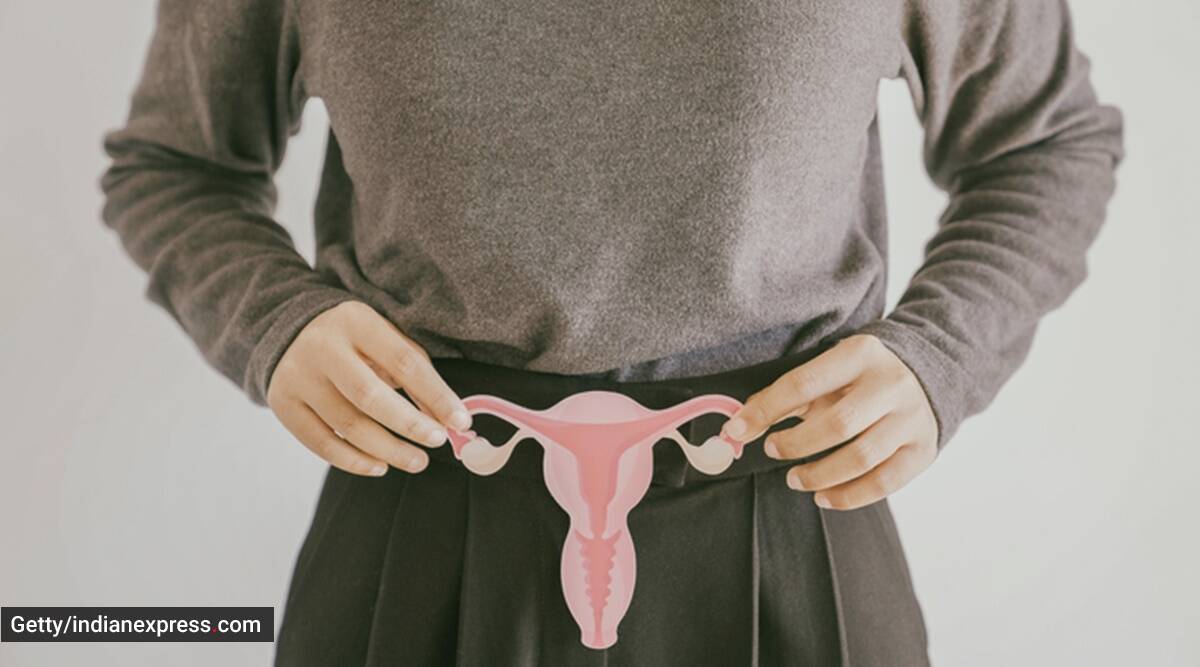 While the management is almost similar, doctors do not recommend losing weight in case of lean PCOS (Source: Getty Images/Thinkstock)
*Difficulties with menstrual cycle include irregular or excessive bleeding or no bleeding at all.
*Acne and pimples.
*Excessive development of coarse, dark hair on parts of the body like the chest, thighs and face.
*Insulin resistance can result in alterations in diabetes and high blood sugar levels.
*Anovulation-related infertility.
What causes it?
Dr Krishnaiah noted that lean PCOS is caused by hormonal disturbances, stress-related dietary abnormalities, lack of exercise, erratic lifestyles, etc.
“Polycystic ovarian syndrome (PCOS) is a hormonal condition caused by excess androgens (hormones such as testosterone and DHEA) produced by either the ovaries or adrenal glands,” Dr Patil added.
Is the management of lean PCOS different?
Highlighting that treatments of non-lean PCOS and lean PCOS are similar, Dr Patil said, “The majority of those who have PCOS are overweight, however, this isn’t always the case. People with lean PCOS may experience similar long-term health effects and diagnostic delays as those with overweight or obese PCOS.”
Here’s how you can manage PCOS, according to her.
*Lifestyle modifications should be practised. A minimum of 45 minutes of exercise which involves cardio, breathing and brisk walking is crucial.
*Increase intake of proteins and cut down on carbohydrates. A balanced diet is key
*If the symptoms persist, then it is better to take hormonal medications as prescribed by your fertility specialist.
While the management is almost similar, doctors do not recommend losing weight in case of lean PCOS, Dr Krishnaiah said. “Here, they can maintain their weight, increase their exercise and adjust their diets,” she concluded.
📣 For more lifestyle news, follow us on Instagram | Twitter | Facebook and don’t miss out on the latest updates!